Living Places Institute ←  Deep Story
Living Places Institute · Story of Place

Can Loki smell
a giant?

A children's series in which a dog learns who a place is. Twelve episodes, ages five to eight. Season One: the Queanbeyan River and the Canberra basin.

scroll
12episodes, one season
5 to 8years old
1episode finished
6m 10sepisode one, in 4K
2native companions
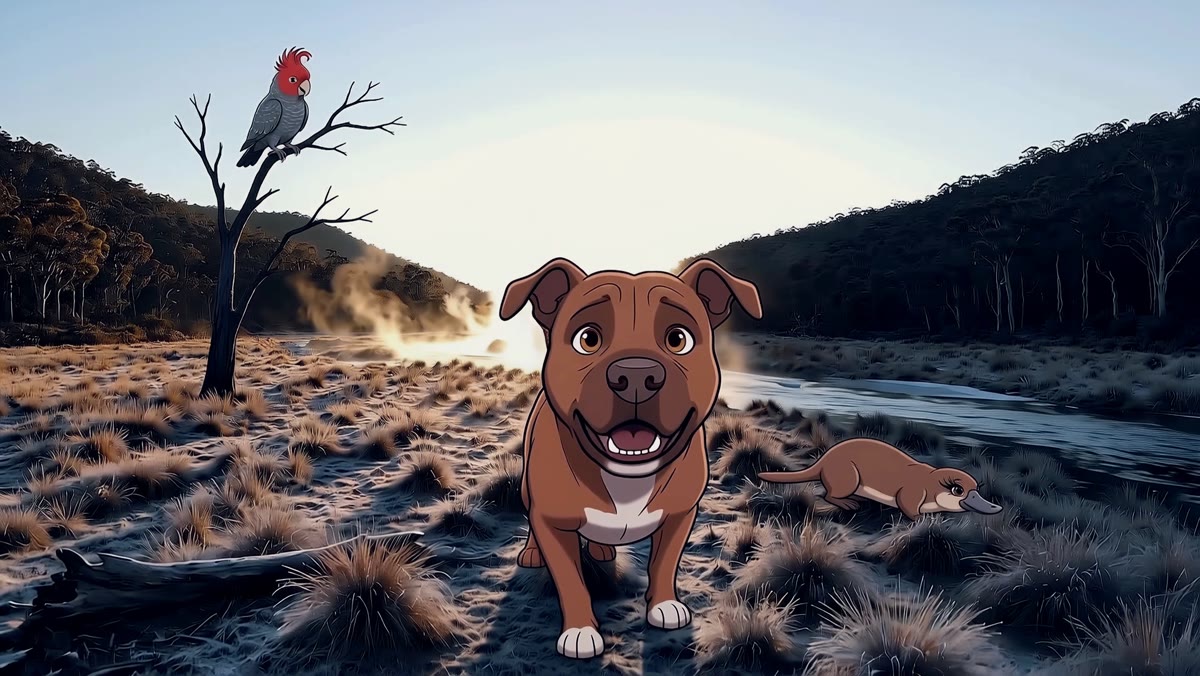
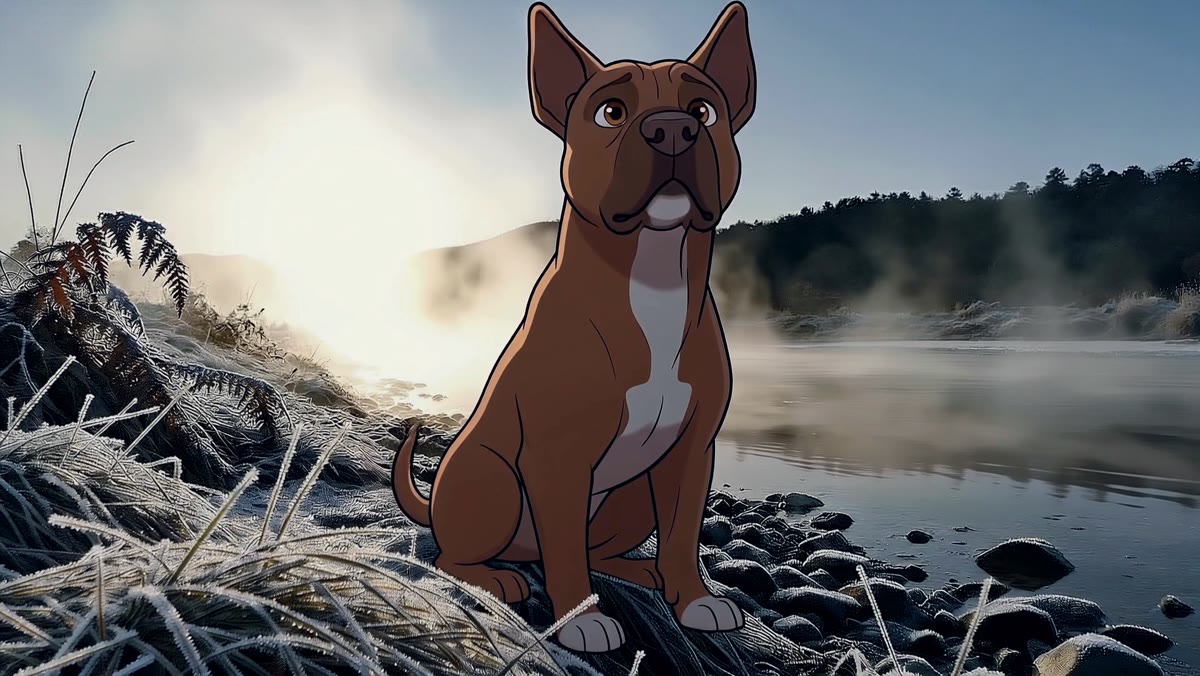
Loki sits by a misty river at frosty dawn
Loki, nose down, at the river before dawn
Where it came from

The dog is already outside

Every family that moves somewhere new watches the same thing happen. The boxes are still in the hallway and the dog is already outside, nose down, working the fence line, learning the place before he changes a single thing about it. That is where this series came from.

Loki arrives in a river valley convinced he can smell something enormous. Each episode he meets a part of the place: its rocks, its water, its animals, its people, its weather, its work. Each part tells him the same thing in a different way. The giant is real, it is everywhere, and it is not hiding. He just has to learn how to look.

"I thought I was following the smell. I was just falling down a bowl."Loki · Episode One
The work behind it

One place, two stories

This series is the work of the Living Places Institute, meeting children. Each season is a real place where the Institute is working.

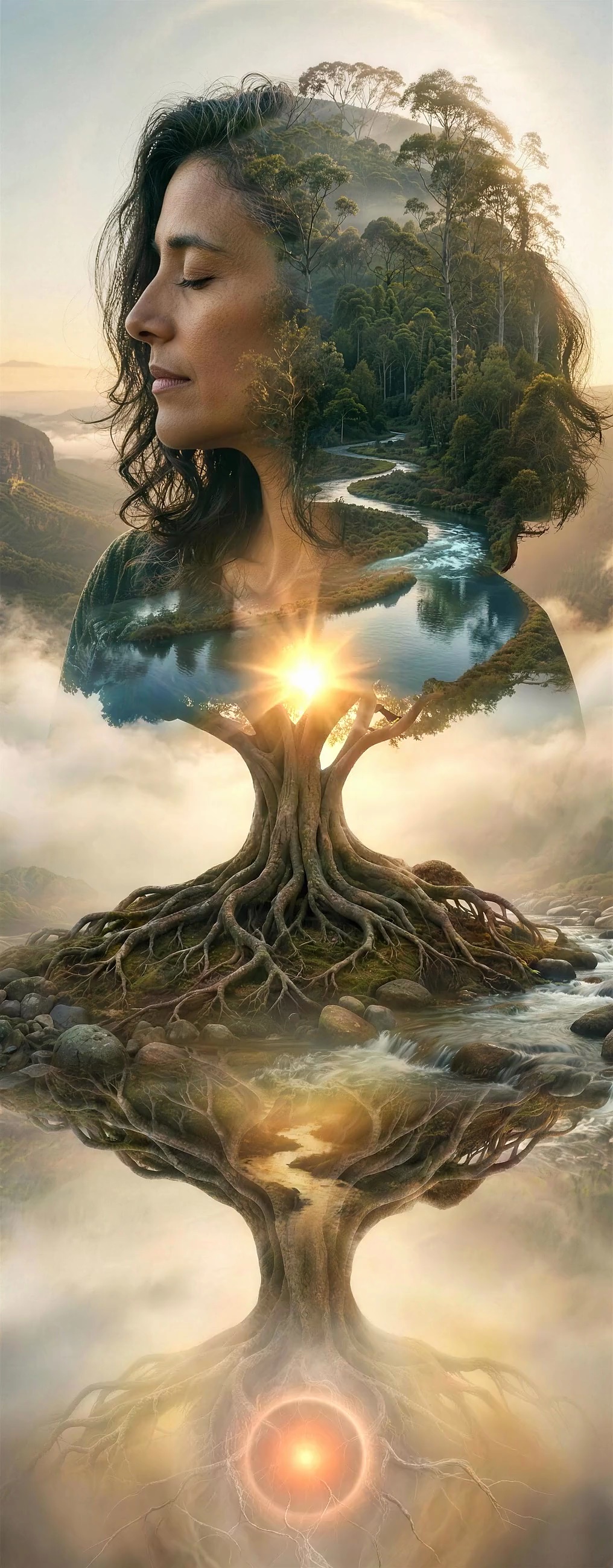
The Story of Place process listens to Country and community, to water and stone, until the place's deeper character shows itself. As that work unfolds, two kinds of story come out of it side by side: an episode of this series for the children of that place, and adult films that bring the local community together to explore their region for themselves. The adult reading of this same basin is Who Is This Place: twelve organs, one body, every claim traced to a primary source. Each Loki episode grows from one of those twelve organs.

When the Institute moves to a new region, Loki moves too, and a new season begins. Every future place is a future season, each with its own companions, its own episodes, and its own giant for local children to design.

Season One

Twelve episodes, one body

Each episode carries the colour of the organ it grows from, the same twelve colours as the adult reading of the basin.

1

The Bones of the Basin

Geology

The white cliffs are made of shells, and the whole valley is a bowl.

Finished
2

The Long Work of Water

The river

Loki follows the water the wrong way, upstream, to an old mine still leaching into a river a city downstream drinks from. Water carries everything, including the past.

In development
3

Skin to Shell

The built layer

Streets, roofs and bridges are not stuck onto the place. They are its shell, and a shell is grown by the animal that wears it.

In development
4

Metabolism

Food and energy

Everything here eats something. What does the place eat, and what does it do with the meal?

In development
5

The Living Beings

Fauna

The animals are not visitors to the place. They are the place, moving around and holding it together.

In development
6

Time

People

The people layer is how the place remembers, and some people have been doing that remembering here for a very long time.

In development
7

Law

Governance and custodianship

Who speaks for a place, and how does a place get looked after when it cannot speak for itself?

In development
8

Worth

Economy and reciprocity

What is a fair swap? The place gives all day, every day. What does it get back?

In development
9

Dream

Art and imagination

Places get painted, sung and storied, and the pictures people make of a place change what they do to it.

In development
10

Light

Weather and light

Frost, mist and the winter sun tell the truth about the shape of the land every single morning.

In development
11

Space

How everything fits

The gaps are not empty. The space between things is what binds them into one body.

In development
12

The Long Breath

Finale

The basin breathes in and out, the twelve parts move together, and the Giant opens its eyes. Then the children take over.

In development

Episode titles and running order are working drafts. Each episode grows from one of the twelve elements of the Story of Place process as the work on this basin unfolds.

The cast is a family

A dog, a bird, a swimmer

Each season Loki is joined by local native companions. Season One has two, because the river carries him across the NSW and ACT border. It is also our family, drawn as animals, in the region we have just moved to and are learning nose-first ourselves.

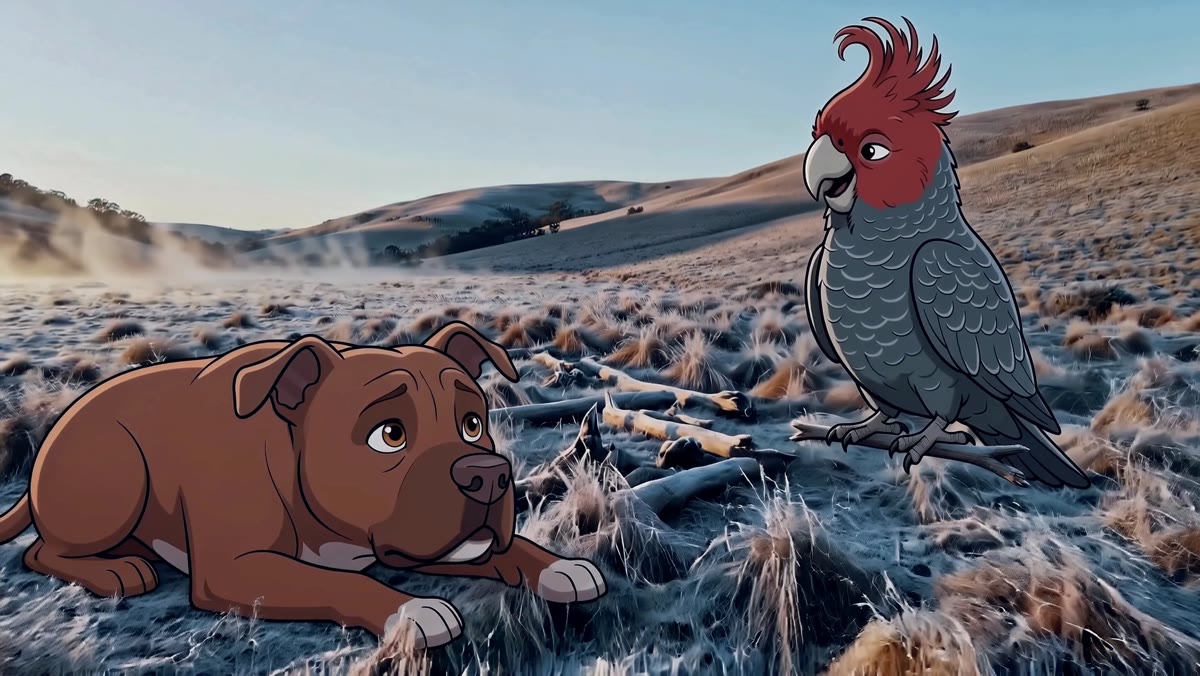
Loki the drawn brown dog

Loki

The land

Arrives in the valley convinced he can smell something enormous. Learns the place before he changes a single thing about it.

The Gang-gang cockatoo

The Gang-gang

The air

The ACT's own bird. An old bush matriarch who has seen it all, and loves the air.

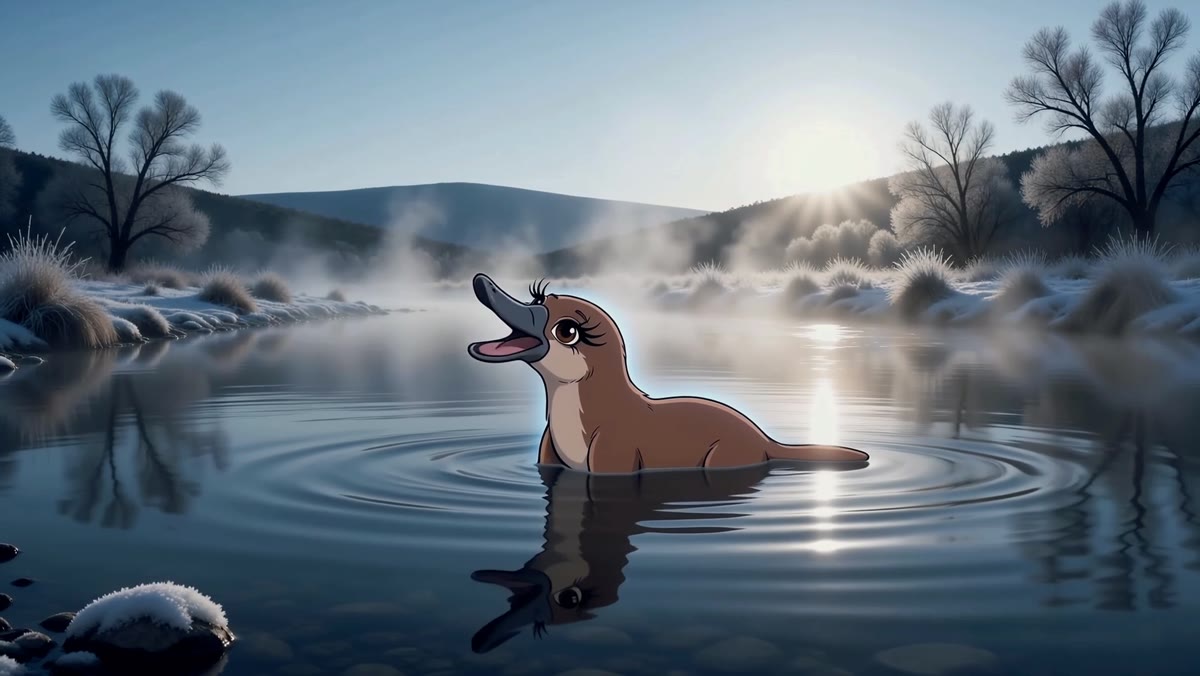
The Platypus

The Platypus

The sea

From the New South Wales side. Practical, busy, and the one character who actually knows what she is doing.

The proof

Episode One: The Bones of the Basin

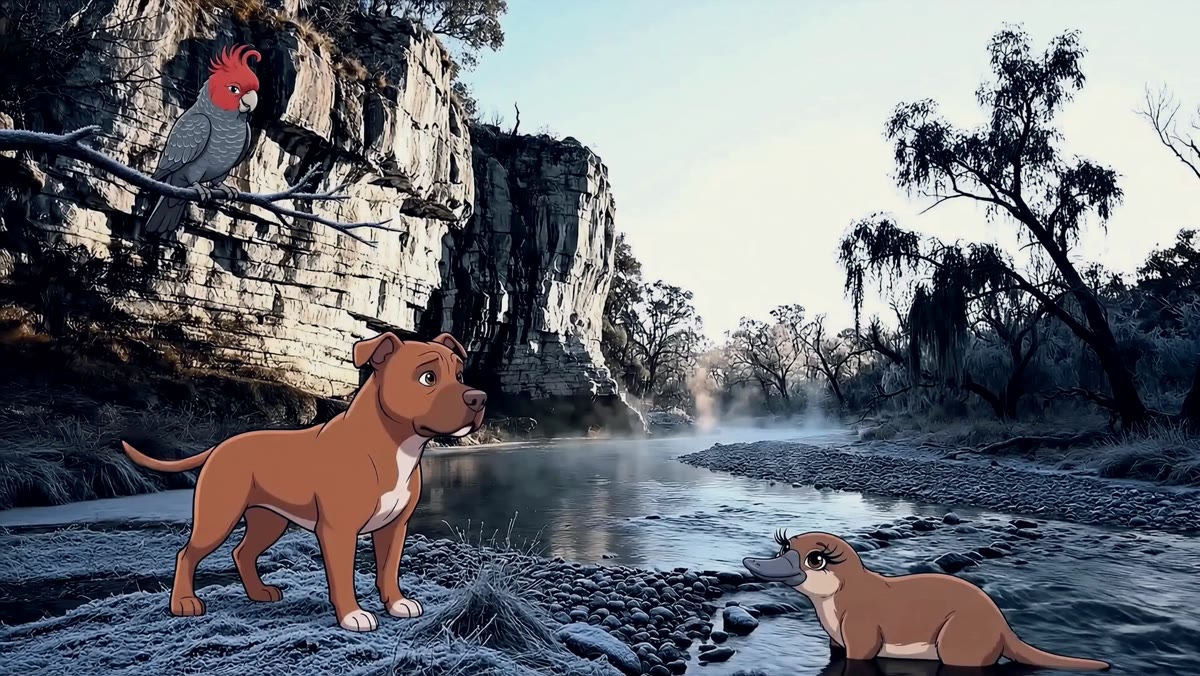
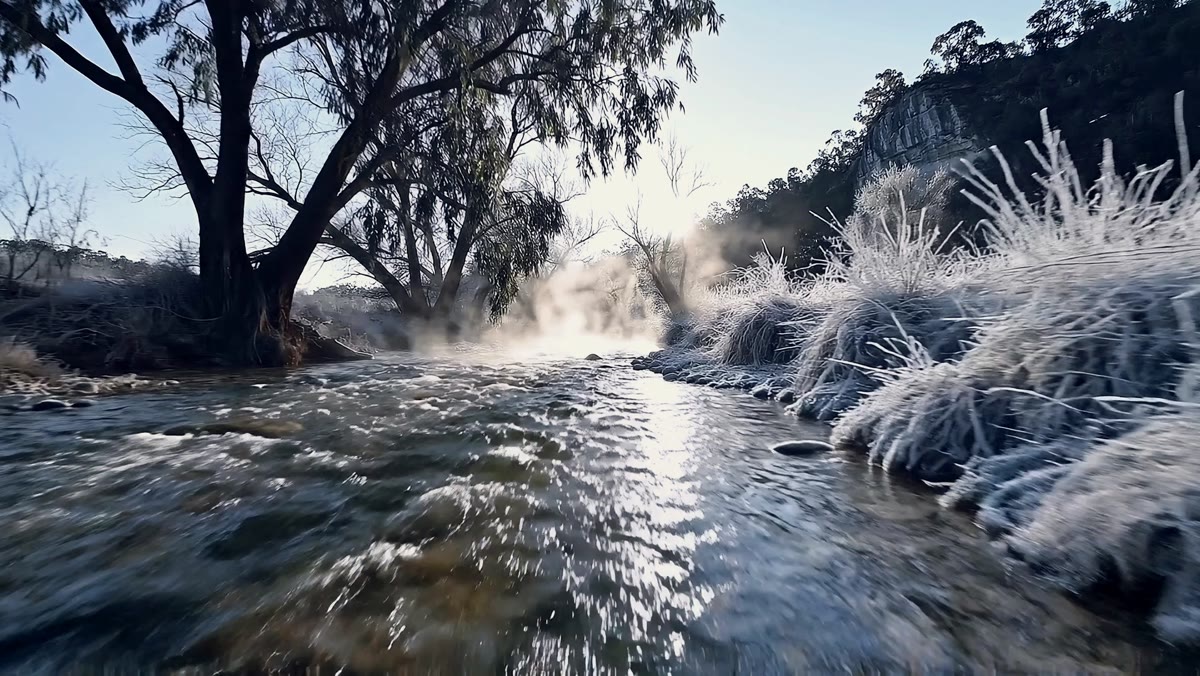
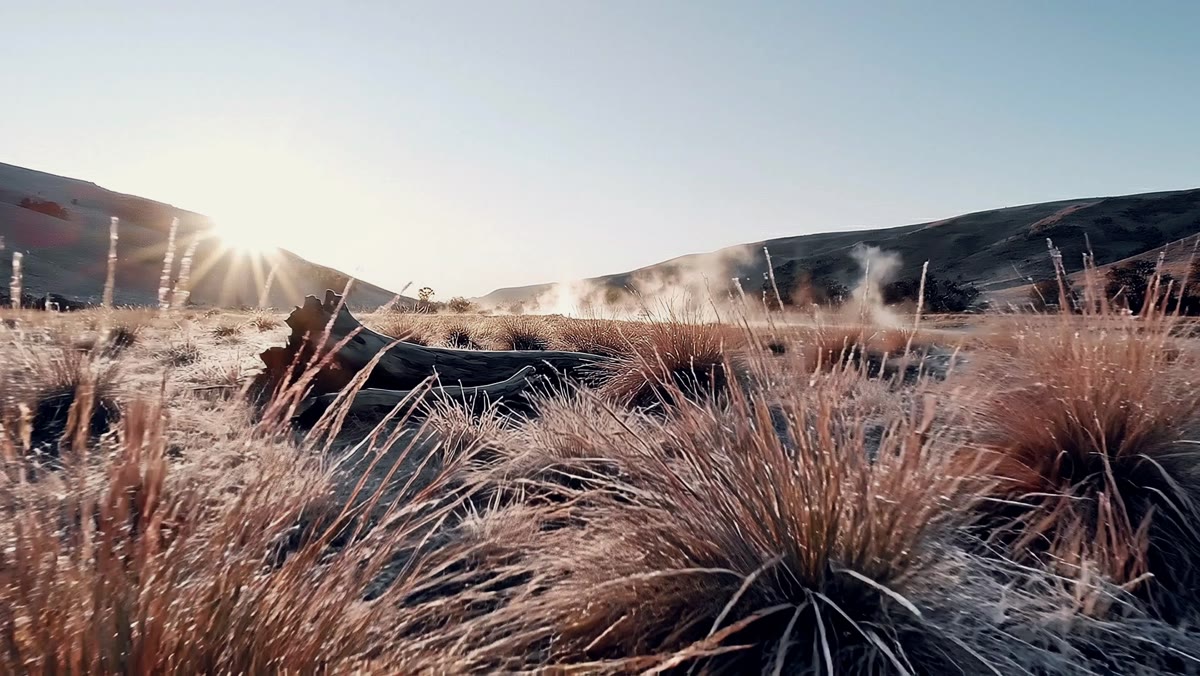
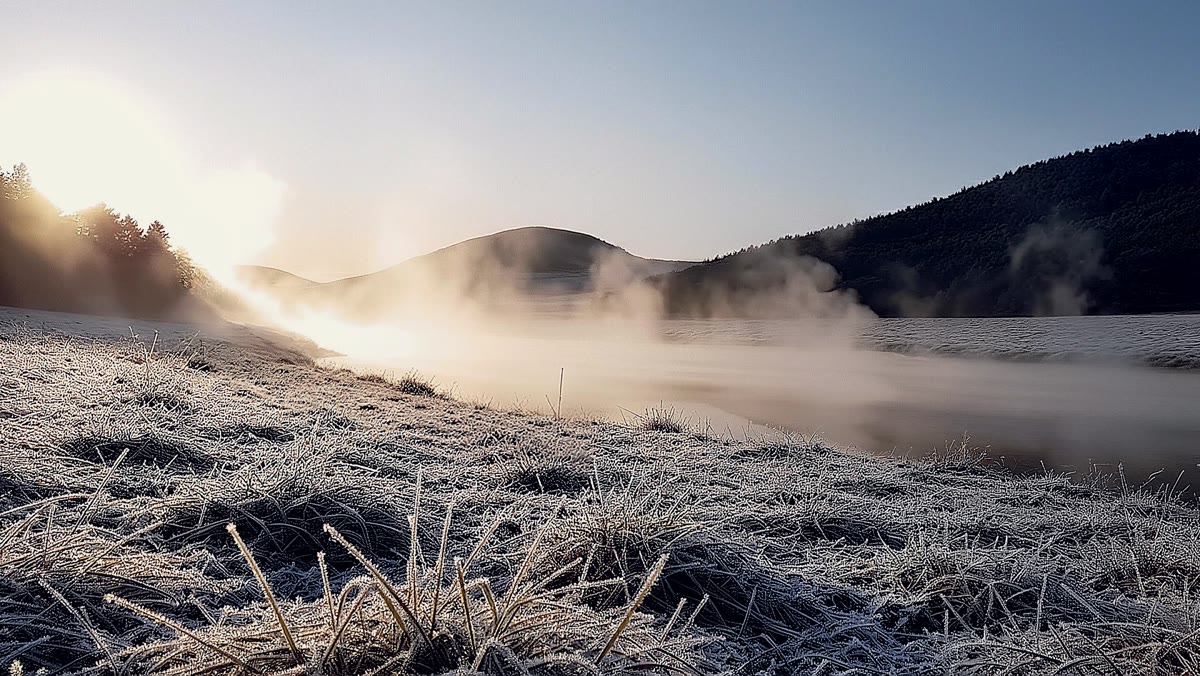
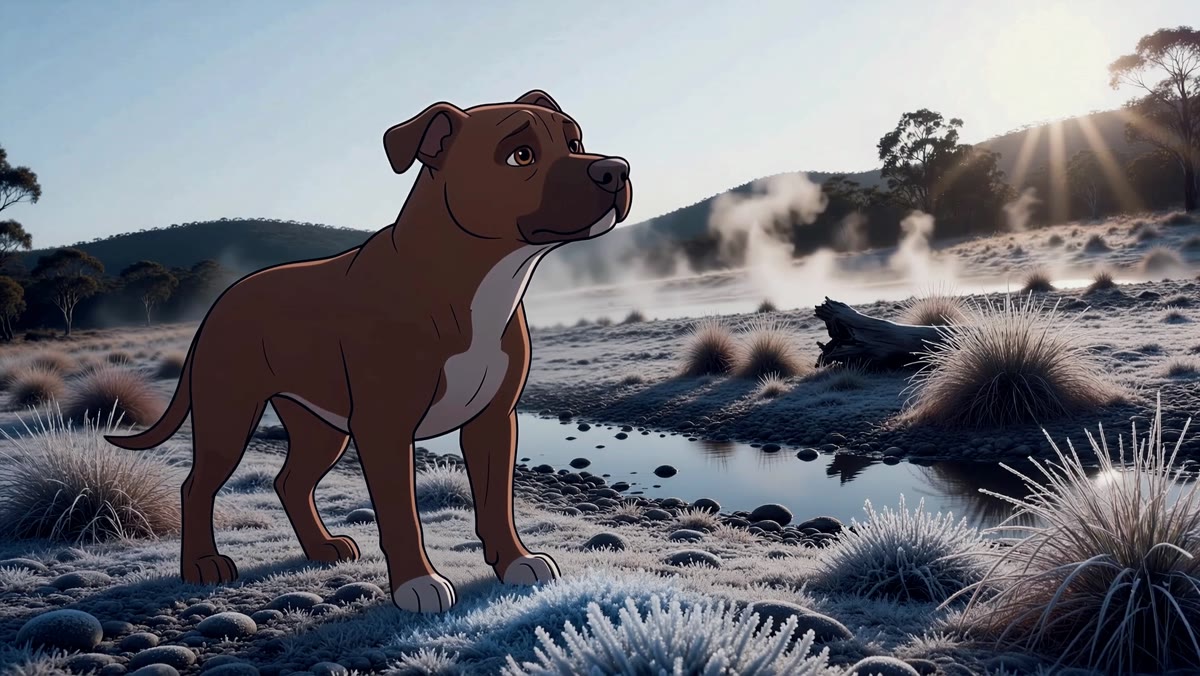
Finished August 2026. Six minutes and ten seconds, in 4K. Drawn characters set into a photoreal rendering of the valley in winter: frost, mist and dawn light on the river the episode is about.

Loki follows the smell of something enormous to the white cliffs, and the gang-gang and the platypus help him read what he finds there. The cliffs are made of shells. The valley is a bowl. The giant has bones, and he has been standing on them the whole time. The episode is complete and is being released carefully, in the right order, once the care described below is in place.

Episode one wide frame
The three of them at the giant's bones
Episode one frame
The river, breathing
Episode one frame
Everybody at home. Can you help me find the giant?
Episode one frame
Frost lifting off the valley floor
Episode one frame
Cold air pooling in the bowl

Made carefully, in the right order

To the custodians of this Country, this page carries an open invitation: we are reaching out for your guidance and collaboration, we would love the series to be shaped with you, and we would rather wait and get it right than hurry and get it wrong.

The living place has no face and no origin story because those are not ours to invent. The drawn characters are hand-authored, child-safety and privacy standards sit ahead of any audience contact, and no child will see an episode before all of that is in place.
What we want a child to carry out of it
Not a fact list. A habit. Nose down, eyes open, three slow breaths, and the quiet certainty that where they live is not scenery. It is a someone, it is very old, it is very alive, and it noticed them first.