The Living Places Institute
Your region is not a location. It is a living being — with memory, pattern, and pulse. Through conscious exploration and the art of place-sourced storytelling, we help communities see their homes through new eyes as ancient, living systems which our civilisation needs to learn to co-evolve with.
We help regions learn to see themselves clearly
We work with communities to slow down and pay attention to what makes their place alive — the water, the stories, the relationships, the patterns that hold everything together. Then we help turn that attention into care, stewardship, and projects that make the place stronger.
How It Works
This isn't a research project. It's a learning journey that whole communities can join — from noticing to stewardship to regenerative action.
Notice & Participate
Place walks, youth explorations, listening sessions, elder conversations. People start paying attention differently. Through virtual geocaching, film prompts, and community gatherings, regions begin to witness themselves as living beings.
Make Sense Together
Story circles, mapping sessions, pattern recognition. Communities start seeing connections they couldn't see before — geological patterns, watershed relationships, cultural memory, economic flows. The invisible becomes visible.
Tell the Story
Short films, interviews, place portraits. If you can't tell your place's story, you can't steward it. Through collaborative video documentation, communities build living archives that capture transformation over time.
Build Stewardship
Circles of care, youth leadership, governance pathways. Attention becomes responsibility. Communities develop the capacity to hold long-term custodianship of their bioregion through collaborative governance structures.
Seed Projects
Housing, land care, learning centers, livelihoods. Projects emerge from understanding, not urgency. Regenerative development becomes place-aligned because it's built on years of collective attention and care.
Living Regions Learning from Each Other
Each region teaches us. Each becomes a node in a larger network of living regions awakening to themselves.
Hunter Valley
Wonnarua, Awabakal, Worimi & Mindaribba Country
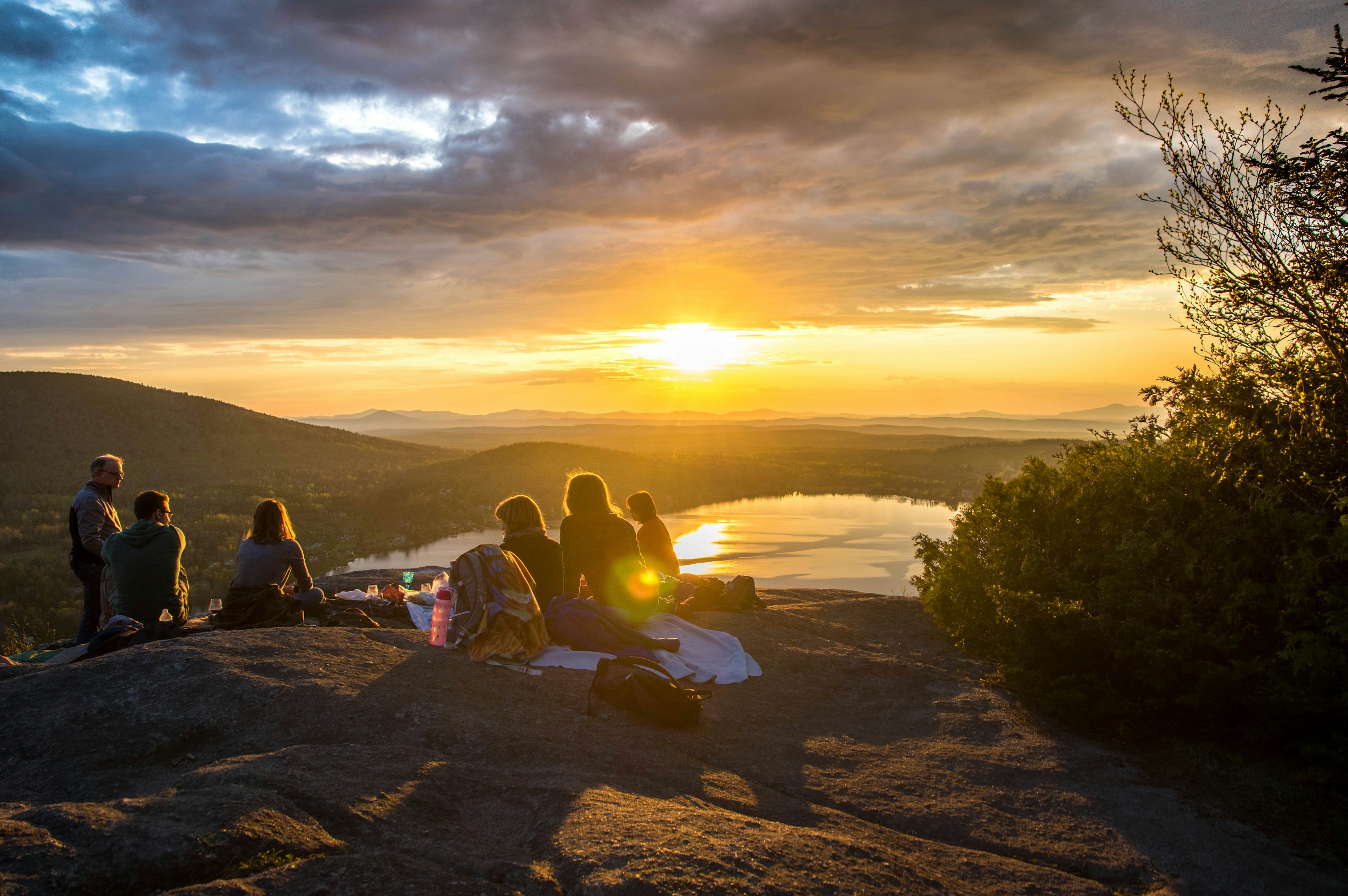
The Hunter has always stored vast energy for future generations — first in coal, now in the question of what comes next. On Wonnarua, Awabakal, Worimi and Mindaribba Country, 130 BioCACHE learning sites across 10 Local Government Areas map the bioregion as a living system. A Community Land Trust anchors permanent stewardship. Youth lead the storytelling. The Sleeping Giant is discovering it was never meant to sleep.
Bellingen Shire
Gumbaynggirr Country · Where Two Rivers Become One
A living laboratory where six resident farm stewards undergo personal metamorphosis while co-creating a regenerative permaculture farm on Gumbaynggirr Country — where the Kalang and Bellinger rivers meet the sea. The Chrysalis asks what this confluence of waters already knows about transformation: shared equity, shared labour, shared becoming. Over five years, each steward builds ownership of the land they regenerate, guided by 60,000 years of Gumbaynggirr story and the bioregion's own patterns of renewal.

Kurilpa · West End
Turrbal & Jagera Country · Where the Brain Meets the City
A nodal inquiry into what city health and brain health share: the need for restored connection. On Kurilpa — "place of the water rat," ancient river bend gathering place — Synapse Australia's new West End headquarters asks what this threshold between Country and city already knows about healing. Three place patterns guide the work: Ancient Gathering, Threshold Crossing, Making the Invisible Visible. Timed as living legacy for the Brisbane 2032 Paralympic Games.
SECS — Mount Eliza
Bunurong/Boonwurrung Country · Where Escarpment Meets the Suburban Edge
A nodal intervention built into the Mt Eliza escarpment above Kackeraboite Creek — a living laboratory at the threshold between bioregion and sprawl. Embedding Bunurong cultural partnership, sustainability education, and place-sourced learning into a 1,030 sqm centre that asks what this peninsula already knows about its own regeneration.
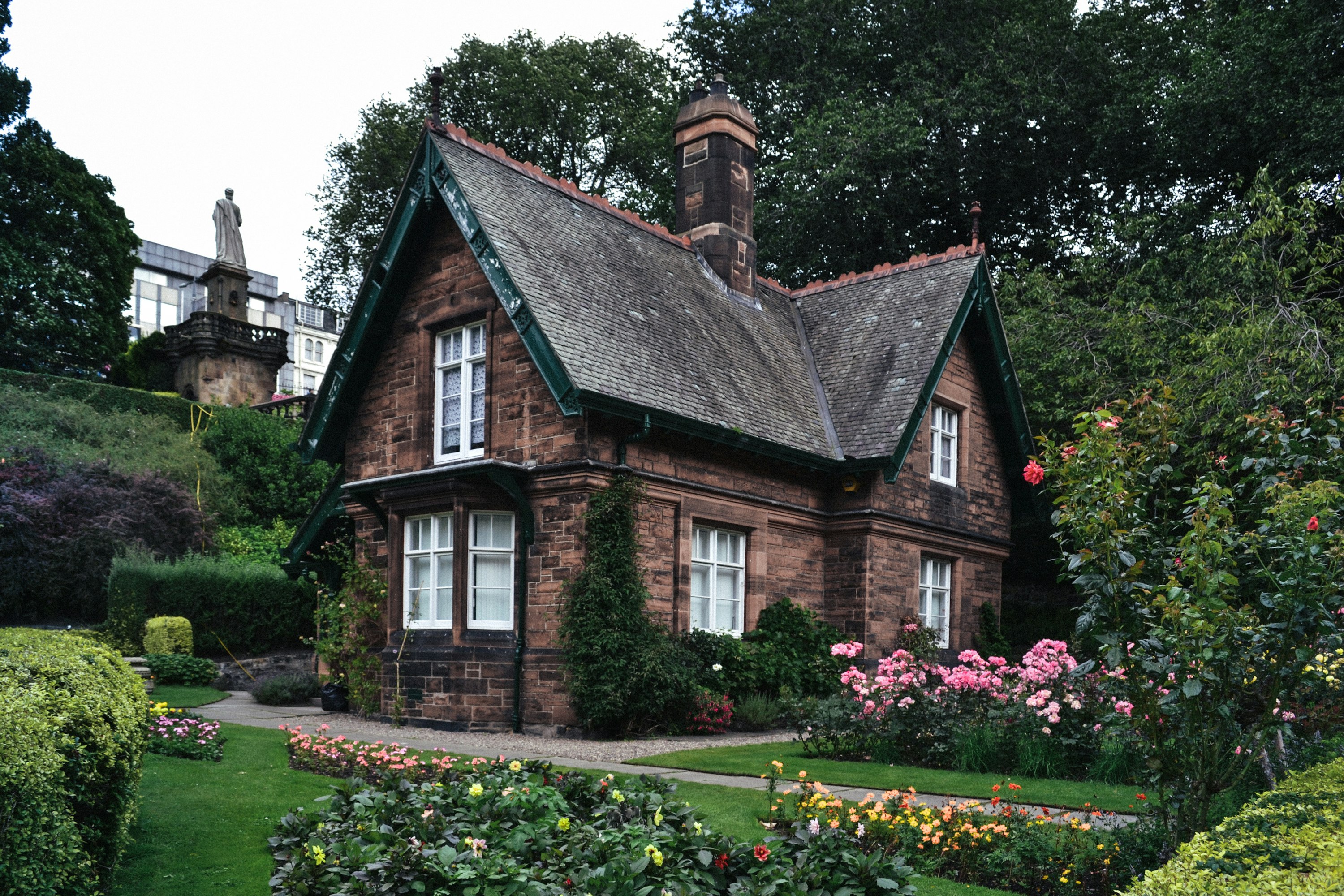
Sun Villages · Queanbeyan
Ngunnawal Country · Where Ancient Plains Meet People-Led Housing
A peer-funded housing model rooted in 480 million years of Limestone Plains — where diverse elements have always combined to generate unexpected abundance. On Ngunnawal Country, Sun Villages asks what this ancient place already knows about equitable settlement. Eliminating banks, stamp duty, and agent commissions from the development chain, shareholders become stewards. Fifty homes. Zero debt. The surplus returned entirely to people.

Boambee Creek
Gumbaynggirr Country · Where Indigenous Stewardship Reimagines an Entire Bioregion
Sixty thousand years of Gumbaynggirr land management didn't separate stewardship from economy — it never had to. Australia's first Indigenous-owned koala precinct is the proof of concept: what becomes possible when cultural burning, ranger stewardship, and regenerative tourism are designed as a single self-reinforcing system rather than competing priorities. A living bioregion learning to fund itself through the act of caring for itself.

Boambee · Sawtell Road
Gumbaynggirr Country · Where Conservation Becomes the Foundation
For a decade, four hectares of endangered coastal swamp forest stopped every developer who tried. On Gumbaynggirr Country at Sawtell Road, the CH&D Local Aboriginal Land Council asked a different question: what if the wetland that blocked development is actually what makes it viable? Conservation credits seed the build. The build seeds the ranger fund. Gumbaynggirr rangers live on Country — stewards with a pathway to home.
Our Approach to Regional Regeneration
Most development happens to places, not with them. We're building a different way — one that starts with relationship and ends with regeneration.
Place-Led, Not Project-Led
We follow what the land and community are asking for, not what funding cycles demand. Projects emerge from years of attention, not months of planning.
Intelligence-Building, Not Consulting
We help you learn to see, not tell you what to do. Regional capacity stays local, grows over time, and outlasts any single project.
Youth-Centered Leadership
Young people lead the noticing, not just participate. They become the custodians of long-term regional memory and transformation.
Patience-Based Development
Regional regeneration takes decades, not grant cycles. We build structures that can hold multi-generational timescales.
Commons-Oriented Knowledge
Knowledge and capacity stay local. Every region teaches others. Networks form naturally through shared learning, not institutional mandates.
Indigenous Wisdom-Led
We follow First Nations protocols and leadership in every region. 60,000+ years of place-sourced knowledge guides contemporary regeneration.
Your Place in the Network
This work can't be done by one organization. It needs youth, elders, artists, farmers, councils, Traditional Owners, businesses, and neighbors all paying attention together.
If You're a Region
Let's talk about bringing this to your place. We partner with regenerative organizations, Indigenous leaders, and bioregional initiatives.
Start a ConversationIf You're a Young Person
Join a field crew, storytelling cohort, or youth film competition. Lead the noticing, become a regional steward.
Join the Youth NetworkIf You're a Funder
Support patient, place-sourced capacity building that outlasts individual projects and builds regional resilience.
Explore PartnershipIf You're Curious
Come on a place walk. Attend a story circle. Watch the films. See what emerges when communities slow down and pay attention.
Find a Place WalkThe Living Places Institute
The Living Places Institute is a place-sourced research, learning, and practice organisation dedicated to helping regions, communities, and bioregions develop the capacity to regenerate themselves — ecologically, socially, culturally, and economically. We exist to build long-term regional intelligence and stewardship from the inside out, guided by Indigenous knowledge systems and a deep belief that places already hold the wisdom they need to heal.
Our Purpose
We believe that the most powerful driver of regional transformation is not external investment or outside expertise — it is a community that has learned to truly see, understand, and care for its own place. The Living Places Institute exists to cultivate that capacity, one bioregion at a time, over the timescales that real transformation requires.
Our Method
The Institute develops and stewards the Living Regions methodology — a five-stage place-sourced learning journey moving from noticing and sense-making through to storytelling, stewardship, and the emergence of regenerative projects. This framework is the core intellectual and practical contribution of the Institute, tested across active bioregions in Australia.
Our Role
The Institute acts as the research, methodology, and backbone organisation supporting the Living Places Collective — the growing network of communities, regions, partners, and practitioners who are applying this work on the ground. Where the Collective is the living network, the Institute is the body that holds the learning, develops the tools, and ensures rigour and integrity across all regional programs.
Indigenous Protocols
Every program developed by the Living Places Institute is grounded in First Nations leadership and protocols. We do not impose frameworks on Country. We follow the guidance of Traditional Custodians, integrate 60,000+ years of place-sourced ecological knowledge, and ensure that Indigenous communities hold decision-making authority in their bioregions.
Long-Term Vision
The Living Places Institute envisions a future in which every bioregion in Australia — and eventually globally — has the knowledge, relationships, and governance structures needed to care for itself across generations. We are building the infrastructure for that future: methodologies, networks, governance models, and living archives that outlast any single project or funding cycle.
Where We Work
The Institute currently supports active programs across the Hunter Valley, Bellingen Shire, Kurilpa West End, Mornington Peninsula, Queanbeyan, and the Boambee bioregion — each a distinct landscape and community, each teaching the network something new. As the methodology matures, we are developing pathways for regional partners to self-facilitate with Institute support and peer learning across the Collective.
Institute Programs
Living Regions
The Institute's flagship methodology — a 10-year community learning journey from place attention to regenerative stewardship.
BioCACHE
A GPS-enabled place-sourced storytelling platform turning regenerative tourism into living regional archives of video, story, and ecological intelligence.
Story of Place
A 20-step framework for communities to develop deep understanding of their bioregional identity, history, and regenerative potential.
The Living Places Collective
The peer network of regions, practitioners, and partners applying Living Regions methodology across Australia — a community of practice held by the Institute.
Youth Stewardship
Field crew programs, youth film competitions, and storytelling cohorts building the next generation of bioregional custodians.
Regenerative Development
Community Land Trust models, rent-to-equity housing, and place-aligned economic development emerging from years of regional learning.